Choose Electronics Recycling Services for Eco Disposal
Green Initiatives: How E-Waste Recycling Services Are Protecting Our Planet
E-waste represents a considerable hazard to the environment, as abandoned electronic devices commonly carry harmful materials. These toxic materials have the potential to taint soil and water sources, causing extensive damage to surrounding ecosystems. Electronic waste recycling programs offer an effective remedy. They successfully retrieve useful resources while simultaneously minimizing environmental pollution. Gaining insight into how these programs function and affect local communities is critical. The journey towards effective e-waste management raises critical questions about individual responsibility and collective action. What steps can be taken next?
Why Electronic Waste Is Harmful to the Planet
Although technology enriches contemporary living, e-waste creates considerable environmental hazards. Abandoned electronic gadgets, frequently composed of hazardous materials such as lead, mercury, and cadmium, can leach toxins into groundwater and soil, creating hazards for human health and ecosystems. The swift progression of technology leads to increased consumer turnover of electronics, worsening the buildup of e-waste.
Landfills, already overwhelmed with refuse, find it difficult to handle the increasing amounts of discarded devices. Burning, an alternative disposal approach, discharges toxic contaminants into the air, worsening overall air quality. In addition, improper recycling practices can lead to the exportation of e-waste to developing countries, where laborers may dismantle devices without adequate safety measures, exposing themselves to dangerous substances. This cycle of neglect and improper handling underscores the urgent need for sustainable recycling solutions that can mitigate the adverse effects of e-waste on the planet.
Understanding E-Waste and Its Significance
E-waste, or electronic waste, comprises discarded electronic devices like computers, smartphones, and televisions that are no longer functional or needed. This increasingly prevalent form of waste is important due to its rapid accumulation, propelled by advances in technology and evolving consumer behaviors. As growing numbers of electronics Find out more become outdated, the toll on the environment grows more severe, with harmful substances like lead, mercury, and cadmium posing risks to ecosystems and human health.
Addressing e-waste is crucial not only for reducing these dangers but also for acknowledging the precious materials found within it. Valuable metals and rare earth materials can be extracted and repurposed, lessening the demand for mining and preserving natural resources. With a thorough understanding of e-waste and its impact, people and organizations alike can make educated decisions about disposal and recycling, helping to build a more sustainable world. Effective handling of e-waste is vital for encouraging a circular economy and advancing environmental responsibility.
The Way E-Waste Recycling Functions
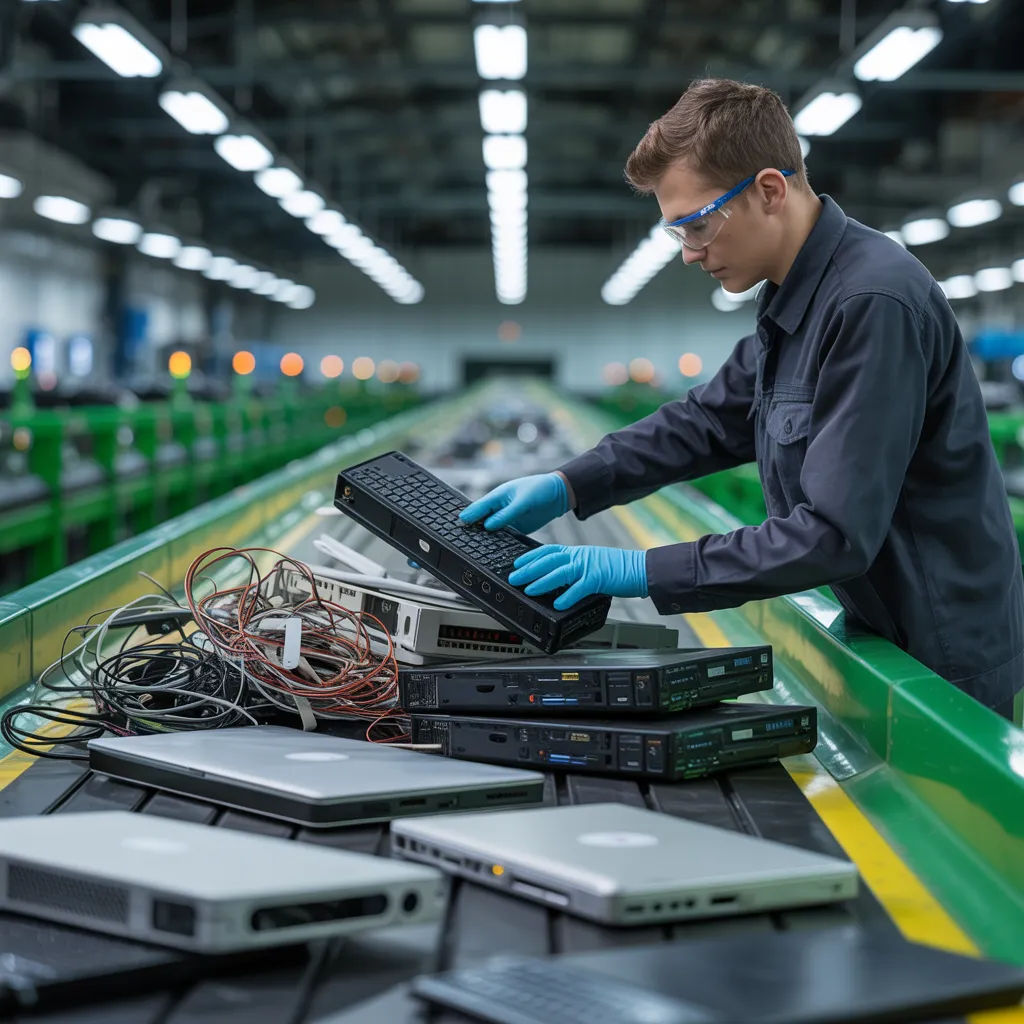
E-waste recycling entails a structured approach aimed at reclaiming useful resources while minimizing environmental impact. Initially, discarded electronics are retrieved and sent to specialized recycling facilities. Upon arrival, the equipment is meticulously organized to separate hazardous components from recyclable materials.
Next, technicians break down the items, extracting metals, plastics, and glass. This process is vital, as it facilitates the recovery of high-value metals like gold, silver, and copper, which may be utilized in new electronic products.
Afterward, the isolated materials are refined through advanced techniques, such as chemical treatments and shredding, to purify them for repurposing.
Finally, the leftover hazardous waste is handled with responsibility, complying with eco-friendly standards. This multi-step approach not only conserves resources but also reduces the dangers linked to irresponsible electronic waste disposal, securing a more eco-conscious future for electronic device usage.
How E-Waste Recycling Benefits You and Your Community
Though many people are unaware, the advantages of e-waste recycling go far beyond individual benefit and actively shape entire communities. By properly recycling electronic waste, individuals play a role in creating a cleaner environment, decreasing harmful substances that can seep into soil and water. This forward-thinking practice actively safeguards local ecosystems and promotes public health.
Additionally, e-waste recycling fosters employment opportunities within local communities. Regional recycling centers frequently need staff for diverse activities, from collection to processing, thus generating valuable job opportunities to area workers. This not only strengthens the regional economy but also inspires community dedication to sustainable efforts.
In addition, familiarity with e-waste recycling has the potential to generate learning opportunities, equipping residents to make environmentally conscious decisions. By engaging with e-waste recycling programs, individuals promote a culture of sustainability, encouraging others to embrace similar practices. All things considered, the cumulative impact of these actions can lead to a more sustainable and conscientious community.
Tips for Choosing an E-Waste Recycling Service
Selecting the most suitable e-waste recycling service is crucial for ensuring that electronic waste is processed in a responsible and sustainable manner. First, individuals should check the company's certifications, such as e-Stewards or R2, which indicate compliance with established benchmarks for secure waste disposal procedures. It is equally important to examine the provider's reputation by reading customer reviews and looking for recommendations from trusted sources.
Moreover, openness in the recycling process is crucial. A reliable provider should supply straightforward details about how e-waste is processed and what happens to the materials. Moreover, assessing the variety of services available can be advantageous; various firms may supply retrieval services or extend benefits for recycling.
Furthermore, familiarizing yourself with regional rules concerning e-waste disposal can further guide the evaluation process. When these considerations are given priority, consumers can play a role in efficient electronic waste handling while supporting eco-friendly habits.
How You Can Get Involved in E-Waste Recycling?
Getting involved with e-waste recycling may begin at the local level, where local recycling facilities often provide essential services for proper disposal. Additionally, taking part in community awareness campaigns can amplify efforts to educate others about the importance of proper e-waste handling. These initiatives not only advance environmental sustainability but also foster a collective sense of responsibility toward the environment.
Regional Recycling Centers
A wide range of local recycling centers fulfill a critical purpose in e-waste recycling, offering communities convenient opportunities to handle electronic waste in a responsible manner. These facilities handle a wide array of electronic items, including used computers, handheld devices, and televisions, making certain that hazardous materials are managed safely. The majority of facilities employ qualified professionals who support individuals in understanding proper disposal practices, highlighting the value of recycling rather than landfilling. In addition, many centers offer drop-off events or designated collection days, enabling residents to engage without difficulty. By utilizing these local services, people help build a circular economy, reducing environmental impact and promoting sustainable practices. Engaging with these centers allows communities to address e-waste pollution proactively.
Community Awareness Campaigns
Community groups, educational institutions, and companies can collaborate to host events that promote e-waste collection drives. Dedicated participants can take a leading part in raising awareness, sharing informational resources, and connecting with local residents. Through these collective efforts, community members grow more knowledgeable and inspired to dispose of their electronics responsibly, thereby helping to build a greener and more sustainable tomorrow.
Common Questions and Answers
What Kinds of Electronics Can Be Recycled?
Various electronics are able to be recycled, including smartphones, computers, laptops, televisions, printers, and gaming consoles. Moreover, accessories such as mice, keyboards, and batteries are well-suited for recycling, promoting eco-friendly conservation initiatives.
Is There a Cost Associated With E-Waste Recycling?
Indeed, e-waste disposal may involve charges, based on the provider. Some service centers impose charges for collection or processing, while some providers provide no-cost solutions, frequently supported by the resale of recovered materials.
How Can Businesses Benefit From E-Waste Recycling?
Businesses can benefit from e-waste recycling by reducing disposal costs, strengthening their ecological standing, complying with regulations, recovering valuable materials, and potentially generating revenue through resale, thus supporting a greener and more sustainable operational framework.
What Becomes of Data on Recycled Devices?
Details regarding repurposed equipment is commonly permanently erased or destroyed during processing. This confirms private details is kept safe, stopping improper access while enabling materials to be recycled carefully and ethically within new applications.
Are Broken Electronics Eligible for Recycling?
Yes, defective electronics may be recycled. A wide range of recycling centers process defective devices, providing safe disposal and extraction of useful materials. This effort helps lower the environmental footprint while fostering eco-friendly recycling methods to address e-waste effectively.